Mable
Scaling a high-performing design practice during rapid growth
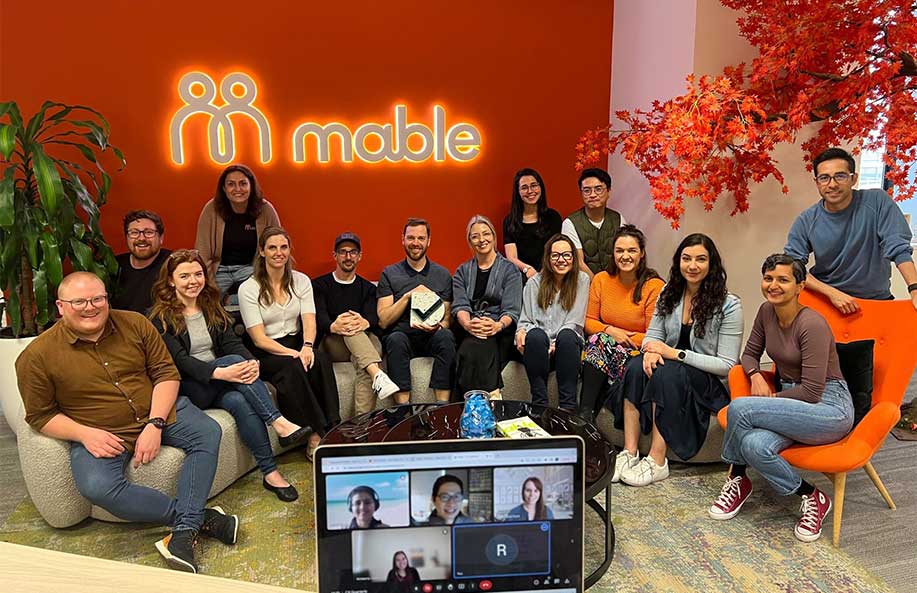
As Mable entered a period of rapid growth and organisational change, I led the scaling of a remote design team working across five product squads. The challenge was to increase delivery speed and impact without losing connection to the needs of clients and support workers, in a highly regulated, human-centred care marketplace.
I partnered with product, data, and engineering leaders to introduce lean, experimentation-led ways of working, reorient teams around engagement as a shared success metric, and establish the foundations for a scalable, high-performing design and delivery practice.
Role
Product Design Manager
Organisation
Location
Sydney
Focus
Design leadership, operating model, service design, experimentation
Mable stats, Apr 2025
25M+ Care hours delivered
28k+ Active NDIS and aged care clients
21k+ Active support workers

The challenge
Mable scaled rapidly following significant investment, growing from an early-stage organisation into a multi-tribe product environment in a short period of time. A new executive team and operating model brought both opportunity and uncertainty. Key challenges included:
Scaling delivery while maintaining quality and customer empathy
Aligning multiple squads around shared goals and measures of success
Supporting designers through change while continuing to ship
Embedding design as a strategic partner and a delivery function
At the heart of this transformation was a clear business objective: enabling more care to be delivered by improving engagement, retention, and trust across the platform.
“We made experimentation part of the culture, giving teams space to test, fail, learn, and grow.
–Project reflection journal
My role & responsibilities
As Product Design Manager and member of the leadership team, I:
Scaled and led a remote design team across five product squads
Defined design’s role within a new, lean operating model
Partnered with product, data, and engineering leads to align ways of working
Co-created a long-term CX vision to guide prioritisation and delivery
Mentored and coached designers through growth, change, and increasing complexity
Embedded design and continuous discovery practices across teams
Approach & thinking
I approached this work as both a people and systems challenge, recognising that sustainable delivery depends on clarity, trust, and shared ownership.
Key elements included:
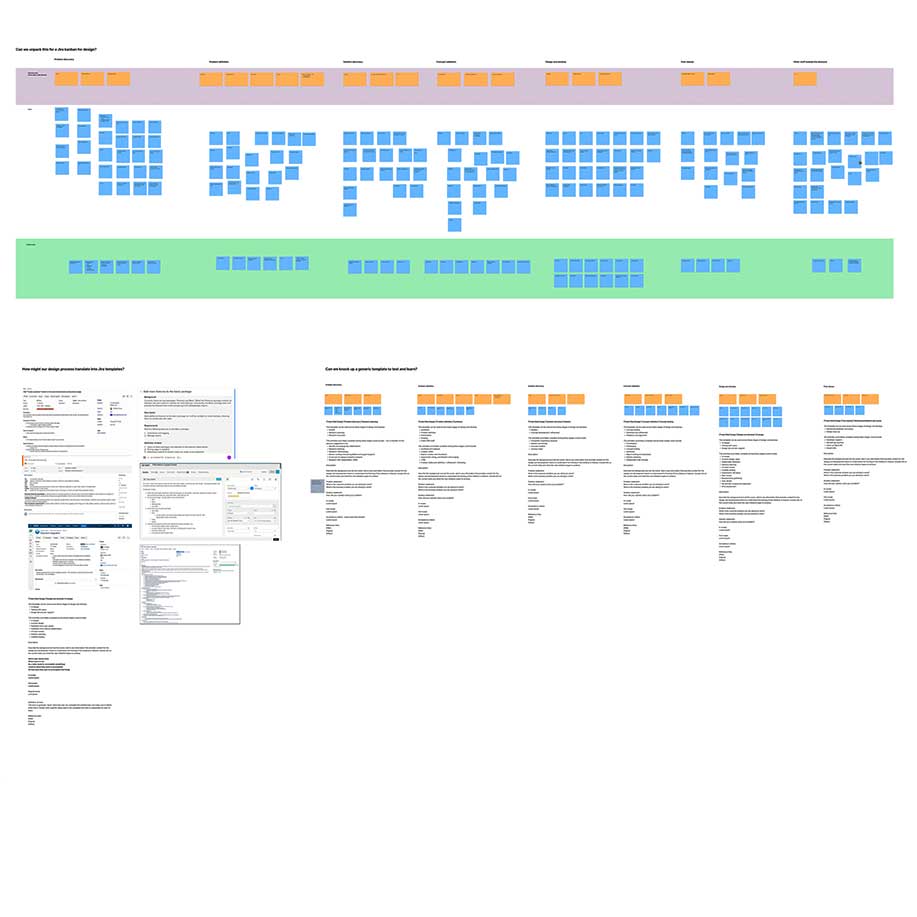
Introducing a lean, end-to-end delivery framework that balanced speed with learning
Shifting teams toward small-batch experimentation and rapid validation
Making engagement a shared “north star” to align squads across different problem spaces
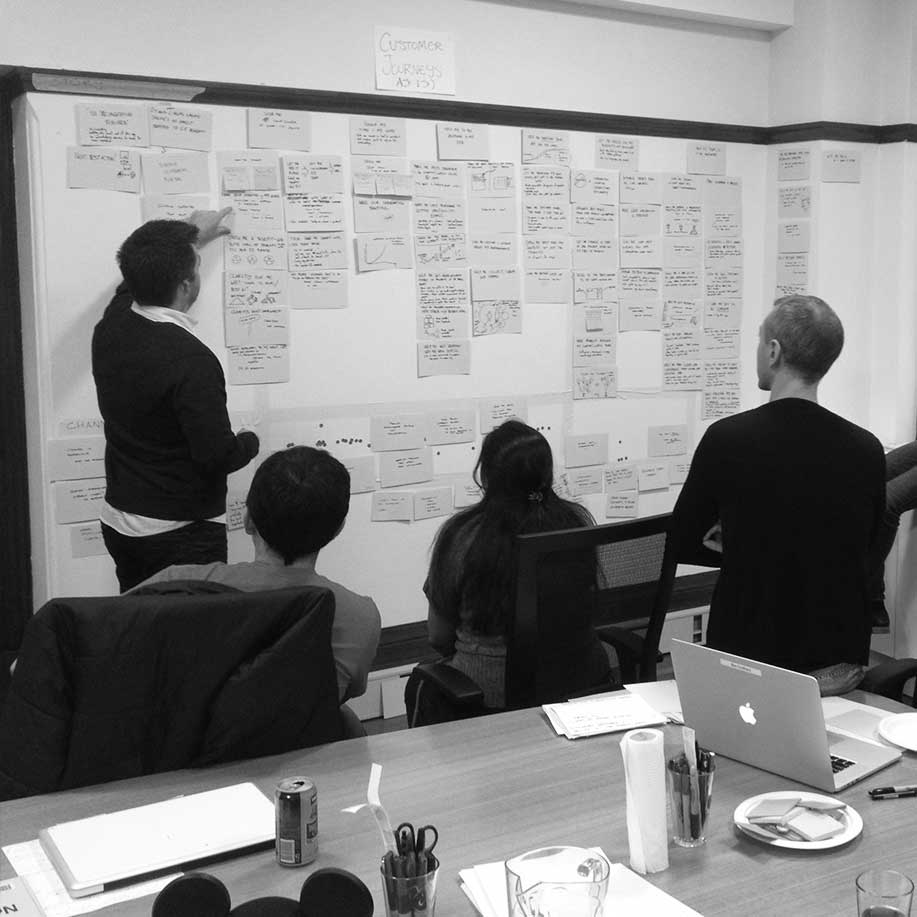
Enabling squads to define their own goals using tools like Jobs-to-be-Done and Lean Canvas
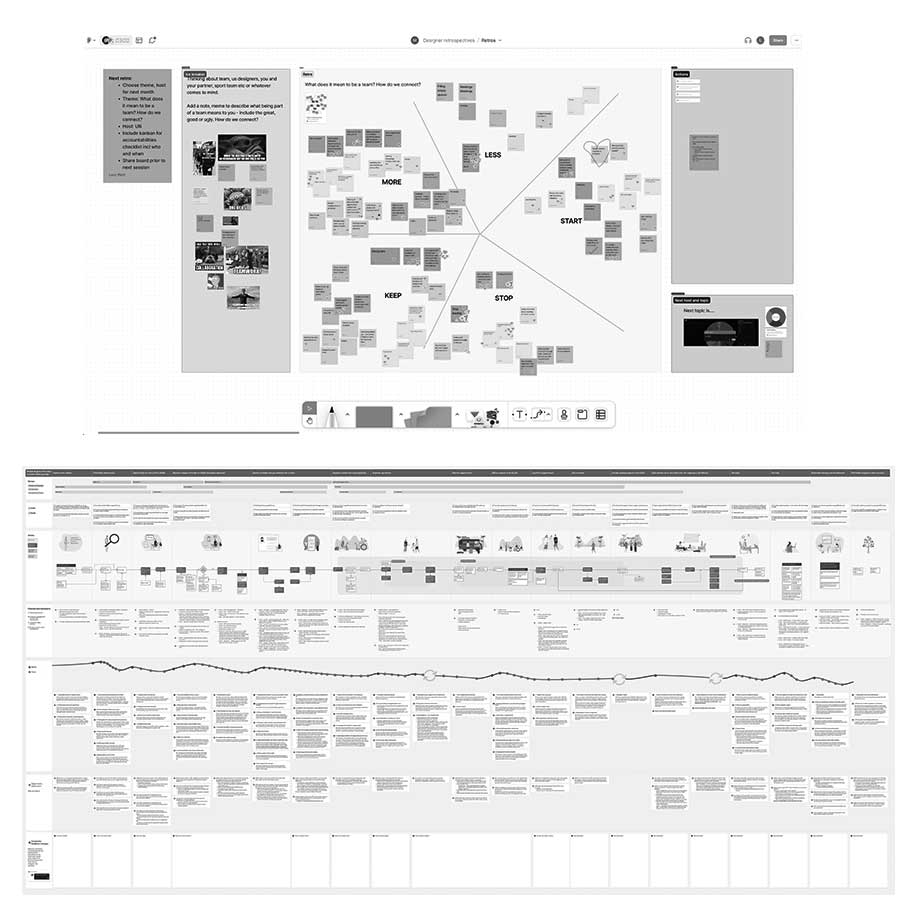
Establishing regular feedback loops through critiques, retrospectives, and peer coaching
Rather than enforcing rigid process, the focus was on creating guardrails that empowered squads to adapt while staying aligned to customer outcomes and organisational priorities.

Outcomes & impact
The shift delivered meaningful improvements across the team, delivery, and organisational alignment:
Established a scalable, lean design and delivery practice during a period of rapid growth
Improved cross-functional alignment by embedding shared goals, metrics, and ways of working
Enabled squads to move faster while staying grounded in customer needs through small-batch research and experimentation
Increased design’s influence in product prioritisation and strategic discussions
Strengthened design quality and consistency through coaching, critique, and shared standards
Improved team engagement, autonomy, and retention within a fully distributed environment
Built executive confidence in design-led decision-making through regular strategy enablement sessions
“Every feature we designed, every process we improved, came back to one thing: helping more Australians receive the care they need.
–Personal reflection.